







Search Results for: Drip Rate Control
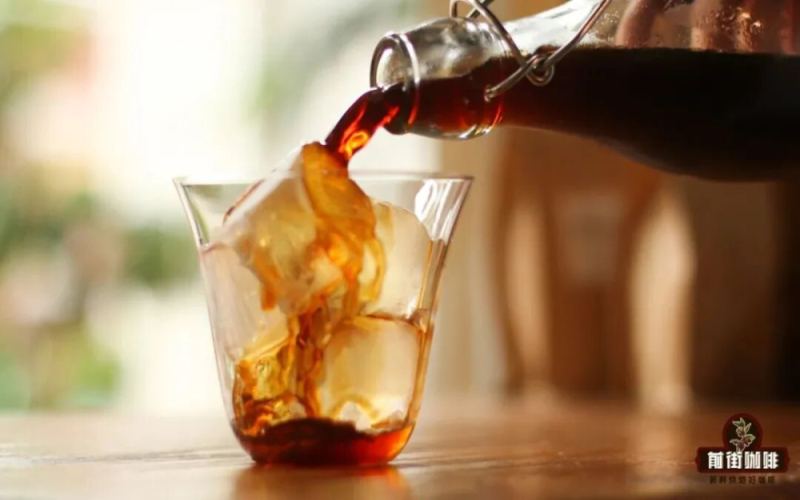
Complete Guide to Cold Brew Coffee Making: Standard Steps, Flow Rate Control, and Time Explained
Cold drip coffee, with its lengthy brewing process and unique layers of flavor, has always been a topic of interest among coffee enthusiasts. Completely different from cold brew, cold drip requires specialized equipment, precise control of the water drip rate, and subsequent fermentation and aging. This article will analyze in detail the standard steps for making cold drip coffee from four dimensions—grind size, drip speed, extraction ratio, and aging time—and answer the common question of "how long does it actually take to make a cup of cold drip?" At the same time, the article also compiles Front Street Coffee's practical experience and parameter recommendations in cold drip production, helping you understand the complete process of this low-temperature drip coffee in a more systematic way. [more…]
Why Does Cold Brew Coffee Take 8 Hours? An Analysis of the Extraction Principle and Key Points of Drip Rate Control
Cold brew coffee is often served in limited quantities at cafés, precisely because its production cycle usually exceeds eight hours. This type of coffee, which originated in Europe and gets its name from the Dutch invention of a distillation apparatus, is also called Dutch Coffee, distilled coffee, or water-drip coffee. It relies on condensed natural osmotic water pressure to let cold water drip through the coffee grounds one drop at a time, continuously extracting at a low temperature of about 5°C for several hours. The flavor of the finished product varies depending on the roast level, water volume, water temperature, drip rate, and grind coarseness. It has a rich, smooth, and refreshingly icy taste, making it the foundation for drinking straight in summer or for making iced coffee. Front Street Coffee's cold brew recipe also emphasizes the coordination between drip rate and grind. Below, we'll break down its extraction principles and time control. [more…]
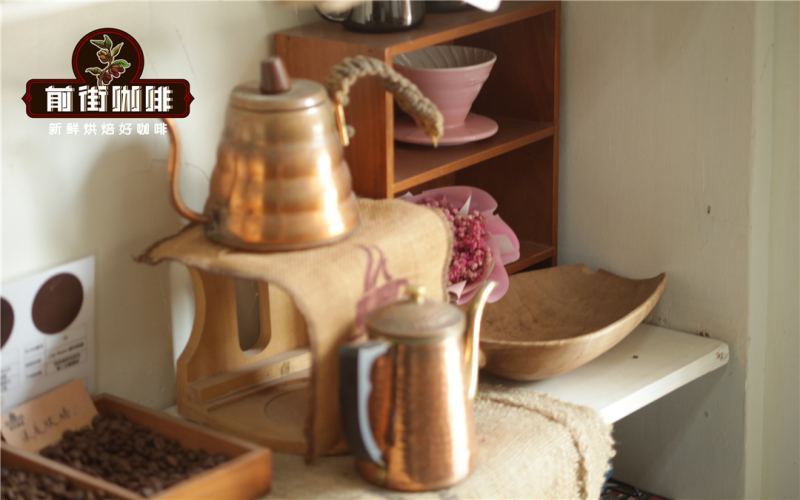
What's the difference between pour-over and drip bag coffee? A comprehensive analysis of the differences between the two, from brewing equipment to operational process.
Do people who love pour-over coffee look down on drip bag coffee? Are those who drink drip bag coffee clueless about pour-over? In reality, there is no fundamental opposition between the two. Many regulars at Front Street Coffee buy coffee beans to brew pour-over at home and also keep some drip bags on hand for convenience. Simply put, drip bag coffee is a simplified version of pour-over. This article will systematically sort out the specific differences between pour-over coffee and drip bag coffee from multiple angles such as brewing equipment, operating process, time control, and shelf life, and also include the correct brewing steps and common mistakes for drip bag coffee, helping coffee lovers choose the right method according to their needs. [more…]
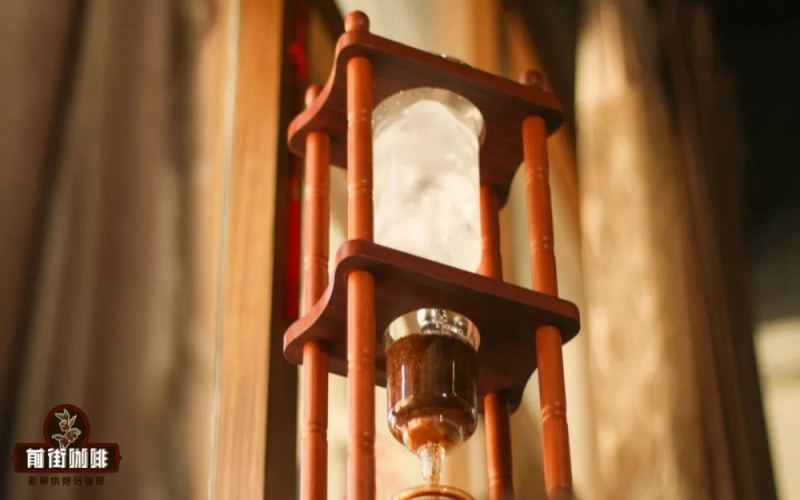
Cold Brew Coffee Making Guide: A Detailed Explanation of 6 Key Steps and Parameters from Bean Selection to Drip Filtration
Cold brew coffee is deeply favored by enthusiasts for its rich, wine-like body and refreshing fruity aroma, but recreating the ideal flavor at home requires precise control over bean selection, grinding, ratio, extraction, and aging. This article systematically outlines the 6 core steps for making cold brew coffee, including suitable roast levels and single-origin bean recommendations, coffee grounds coarseness standards, the golden coffee-to-water ratio, techniques to avoid channeling, optimal drip rate settings, and refrigeration fermentation methods for enhancing flavor. The article specifically includes suggestions for several single-origin beans from Front Street Coffee, such as Bird of Paradise, Queen's Estate Brazil, and Honduras Sherry, to help you create a cup of cold brew coffee that combines bright fruity acidity with fermented depth through slow drip filtration and low-temperature aging. [more…]
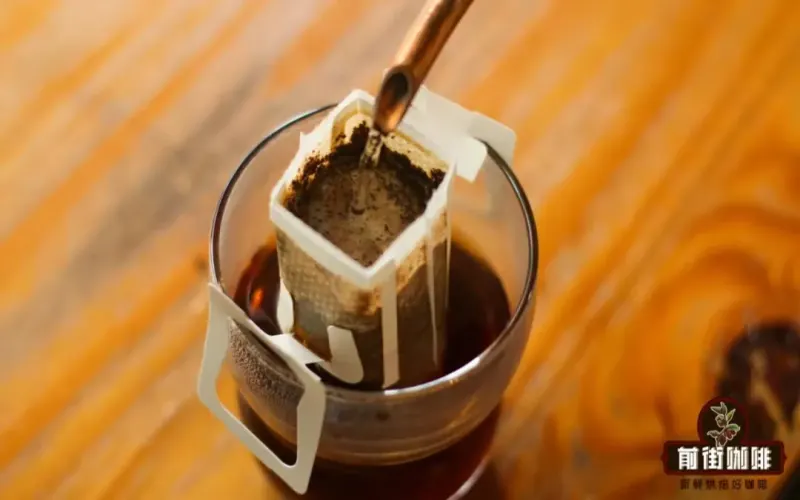
Analysis of the Differences Between Drip Bag Coffee and Pour-Over: Drip Bag Composition, Control of Water Temperature and Volume, and Simple Brewing Steps
Drip bag coffee has become the top choice for many people's daily coffee due to its portability and ease of operation. What exactly are the differences between it and pour-over coffee? This article will start with the structure of the drip bag, sort out the essential differences between it and pour-over in terms of equipment and process, and share a simplified brewing method that only requires attention to two parameters: water temperature and water volume. At the same time, for different taste preferences, the article also compiles the flavor characteristics and purchasing suggestions of multiple drip bag products under the Front Street Coffee brand, helping you obtain a cup of drip bag coffee with suitable strength and full flavor in the simplest way and with stable results. [more…]
How to Control the Time for Ice-Drip Coffee? Flavor Layers of Ice-Drip Brewed with Fresh Coffee Beans and a Comparison with Three Cold Brews
In the heat of midsummer, a glass of ice-cold, crystal-clear coffee is undeniably a great way to cool down. But did you know that cold coffee actually comes in three types: ice drip, iced (iced Americano), and cold brew, each with its own production logic and flavor profile? This article will help you understand the differences between the three, with a focus on ice drip coffee's drip rate, coffee-to-water ratio, and complete brewing process, and share three beans commonly used at Front Street Coffee shops that are suitable for ice drip—Mozart, Kenya Small Tomato, and PWN Golden Mandheling—each presenting a direction of dark berries, crisp and clean, and rich with a sweet finish. Whether you want to recreate it at home or are looking for a new summer flavor, this article offers practical reference. [more…]
How to Control the Extraction Time of Pour-Over Coffee? Causes of Slow Drip and Practical Solutions
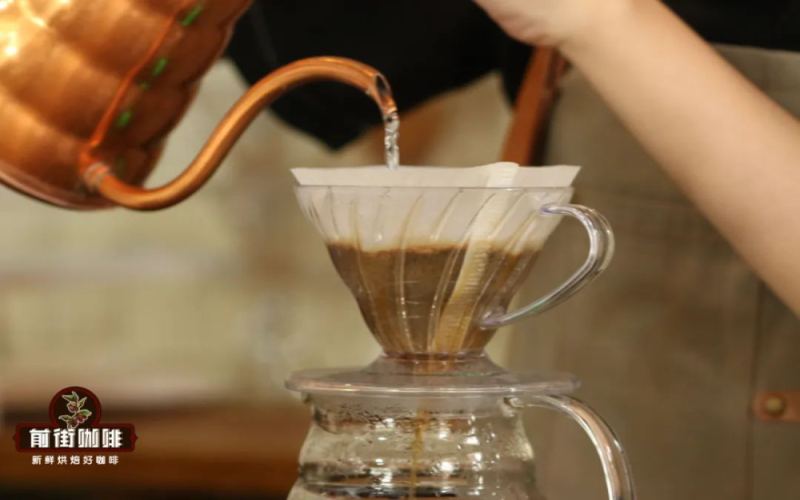
The extraction time of pour-over coffee is not an isolated number; it has a positive correlation with the extraction yield. When the extraction yield falls within the generally accepted ideal range of 18% to 22%, the coffee flavor usually performs better, and when this range is projected onto the time axis, it forms an optimal time range tied to a specific brewing recipe. Front Street Coffee uses the example of a light roast with 15 grams of grounds, a 1:15 ratio, 91°C, an 80% pass rate through a No. 20 sieve, and a three-stage pour, giving a reference range of 1 minute 50 seconds to 2 minutes 10 seconds. However, many enthusiasts find that even with identical parameters, the actual drip time may still be longer. This is often related to factors such as the grinder's particle size distribution and pouring habits. This article will break down these variables one by one and introduce the 4-6 brewing method, which uses time itself as a control lever, to help readers master the rhythm of pour-over more calmly. [more…]
Drip Bag Coffee | What Are the Ideal Water Temperature, Water Amount, and Brewing Time for Brewing Drip Bag Coffee? How Can You Brew Drip Bag Coffee to Taste as Good as Hand-Brewed Coffee?
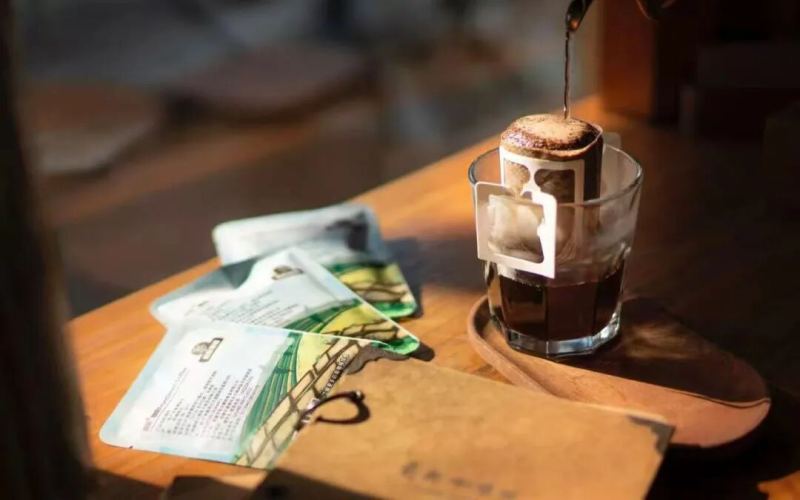
If we don't want to go through overly complicated coffee-making steps but still want to enjoy the taste of freshly brewed coffee, then drip bag coffee is definitely the most suitable choice. Making drip bag coffee is very simple—no need to grind beans, no need for professional brewing equipment. All we need is a cup and any pouring kettle, and we can [more…]
Annual Review and Buying Guide of Cold Brew Coffee Maker Brands: A Complete Practical Analysis from Bean Selection to Extraction Details
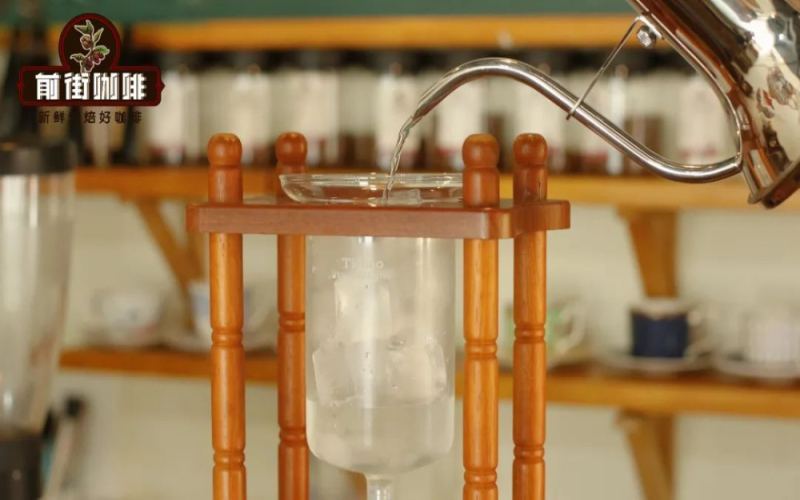
As a low-temperature slow-extraction beverage, cold brew drip coffee has won increasing favor among coffee enthusiasts in recent years. This article walks through the entire process of making cold brew drip coffee, covering everything from the principles of selecting coffee beans and controlling grind size, to tamping technique, pre-wetting steps, filter paper placement, drip rate and coffee-to-water ratio, and the timing of refrigerated fermentation, explaining each in detail one by one. At the same time, drawing on Front Street Coffee's actual production experience, it shares a variety of single-origin bean recipes and blending ideas suitable for cold brew drip, helping readers make a cup of cold brew drip coffee with a clean flavor and balanced acidity and sweetness at home. [more…]
Instant Coffee Powder vs. Single-Origin Drip Bags: Taste Differences, Brewing Tips, and Front Street Brand Recommendations
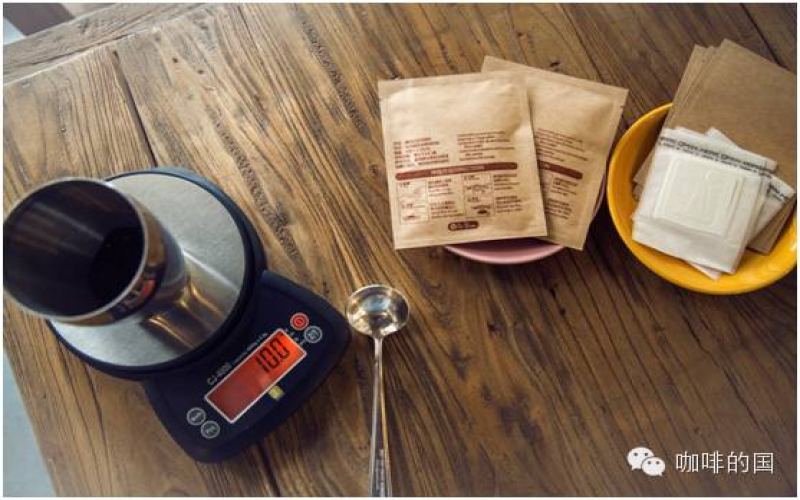
Instant coffee powder and single-origin specialty drip bags are both convenient coffee options, but their flavor performance differs significantly. This article starts with processing techniques to analyze the root causes of aroma loss in instant coffee, then around the two dimensions of portability and taste, explains in detail the requirements of drip bags for water flow control and water temperature maintenance, as well as the key role of the gooseneck kettle in extraction. The article also compares the similarities and differences between drip bags and French press extraction, provides brewing ratios and flavor pairing suggestions, and recommends urban pour-over cafes such as Front Street Coffee, helping coffee enthusiasts find a balance point for specialty coffee in a busy life. [more…]
Coffee Grounds Brewing Guide | What Equipment Is Needed to Make Pour-Over Black Coffee? What Are the Flavor Characteristics of Pour-Over Coffee? A Simple Pour-Over Tutorial Using Freshly Ground Coffee
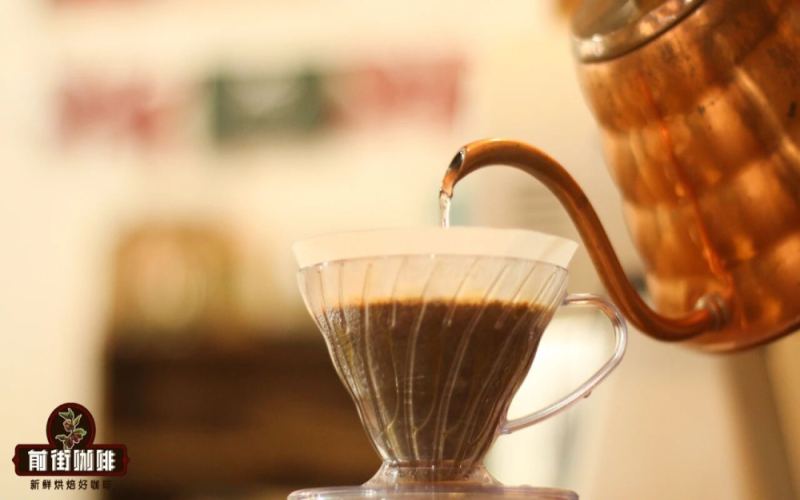
For more specialty coffee knowledge, please follow: Front Street Coffee In an era where all kinds of coffee machines are blooming everywhere, pour-over coffee, with its simple equipment and emphasis on hand-feel technique, stands out as a refreshing return to simplicity. Spreading from Japan, which pursues a refined culture, it has won over many coffee [more…]
What are the essential differences between pour-over and drip bag coffee? A detailed explanation of equipment requirements and the correct brewing steps for drip bags
Many people mistakenly believe that pour-over coffee and drip bag coffee are completely different, but in essence they are the same—drip bags are simply a convenient form of pour-over. Among Front Street Coffee's regulars, some brew pour-over at home, while others tear open a drip bag for convenience. So what equipment and techniques does pour-over really require? What steps does a drip bag simplify? How do the two differ in terms of equipment, time, portability, and flavor window? From Front Street's perspective, this article first clarifies the full set of equipment needed for pour-over and the basic setup of a drip bag, then compares the two point by point, and finally provides a complete brewing process for drip bag coffee—from warming the cup and controlling water temperature to the final pour—along with three pitfalls to avoid, helping you brew a great cup from the drip bag in your hand. [more…]
Cold Brew Coffee Bean Selection Guide: From Flavor Pairing to Front Street Brand Recommendations and the Complete Home Brewing Process
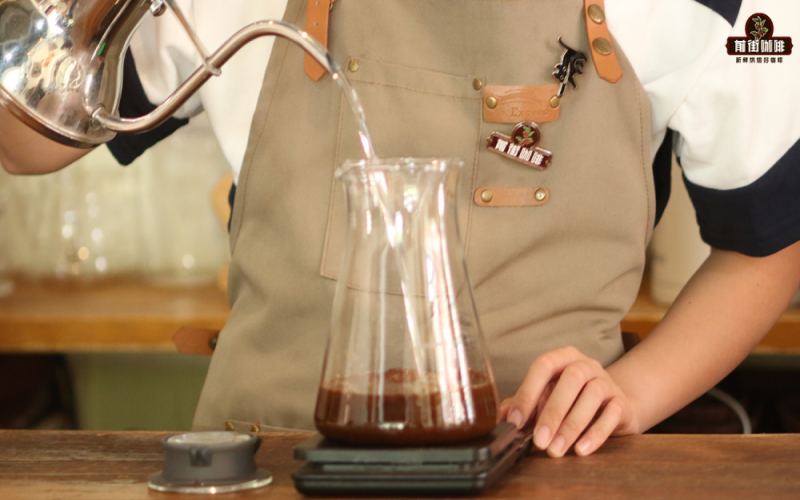
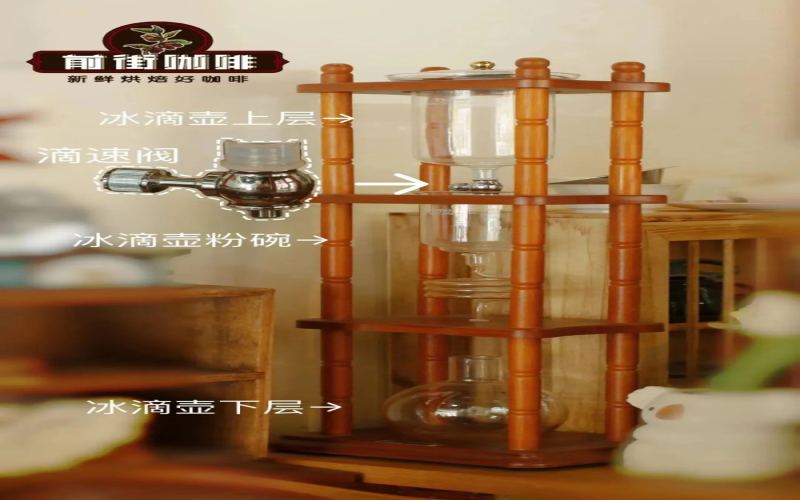
Cold brew coffee, with its sweet, full-bodied taste and low bitterness, is attracting more and more coffee lovers to try making it at home. But which beans to choose, how coarse to grind, and how to control the flow rate often leave people at a loss. This article starts with the difference between cold brew and ice drip, explains why low-temperature extraction produces less bitterness, and gives specific recommendations for floral and fruity coffee beans, including Front Street. Sun-Dried Huakui, Front Street. Washed Butterfly, Front Street. Strawberry Candy, Front Street. Mozart, and Front Street Xizhua, among other options. Then, using in-store practice as a reference, it explains in detail the structure of the ice drip pot, grinding standards, drip rate settings, coffee-to-water ratio, and filter paper placement and other key details, to help you consistently make a cup of clean-flavored ice drip coffee at home. [more…]
Ice Drip Coffee Fermentation Duration and Cold Brew Optimal Drinking Window: Production Key Points and Storage Recommendations
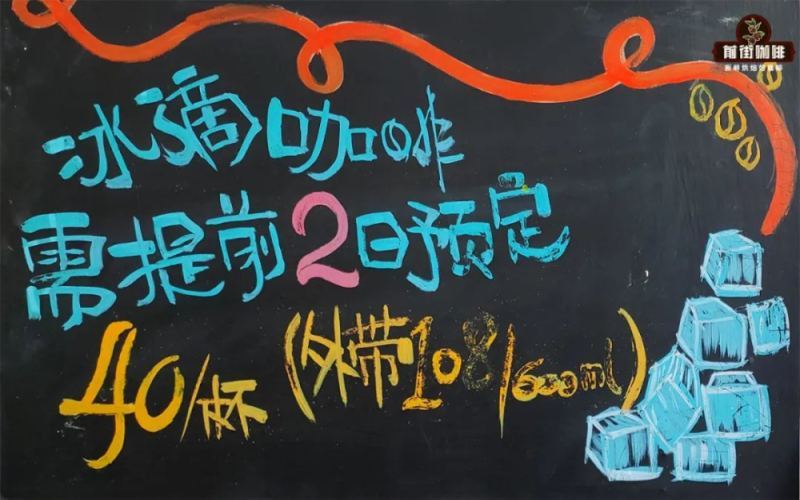
Cold brew coffee takes a long time to make, so it is often available only in limited quantities at cafés. It originated in Europe and is said to have been invented by the Dutch, which is why it is also called Dutch Coffee. During preparation, ice water seeps through the coffee grounds by dripping naturally, eventually flowing drop by drop into the lower pot, so it is also known as water-drip coffee, and the whole process usually takes more than 8 hours. This article will introduce the steps for making cold brew coffee in detail, including the key aspects of the coffee-to-water-to-ice ratio, grind size selection, filter paper placement, and drip rate control, while also answering common questions about cold brew coffee fermentation time and the best drinking period. The article also uses Front Street Strawberry Candy coffee beans as an example for a practical demonstration and explains the effect of low-temperature refrigeration "aging" on flavor, as well as why it is recommended to drink it within 5 days. [more…]
Cold Brew Coffee Bean Selection Guide and Home Brewing Method: A Complete Analysis from Grinding, Flow Rate to Refrigerated Fermentation
Ice drip coffee, through its pure ice drip filtration and low-temperature fermentation process, presents a mellow, sweet, and refreshingly cool taste, making it a highly favored coffee beverage in summer. Starting from the store practices of Front Street Coffee, this article systematically sorts out the differences between the two common methods of low-temperature extraction—cold brew and ice drip—and explains in detail the structure of the ice drip pot, the choice of grind size, the control of drip speed and coffee-to-water ratio, as well as the grasp of refrigeration fermentation duration. At the same time, focusing on the two major directions of refreshing floral and fruity notes and rich fruity tea notes, it recommends two coffee beans suitable for making ice drip coffee, Front Street Elida Estate Catuai and Front Street Natural Huakui, helping enthusiasts recreate at home a clean-flavored, richly layered ice drip coffee. [more…]
The Complete Guide to Drip Bag Coffee Brewing: Three Key Details for Coffee-to-Water Ratio and Water Temperature Control
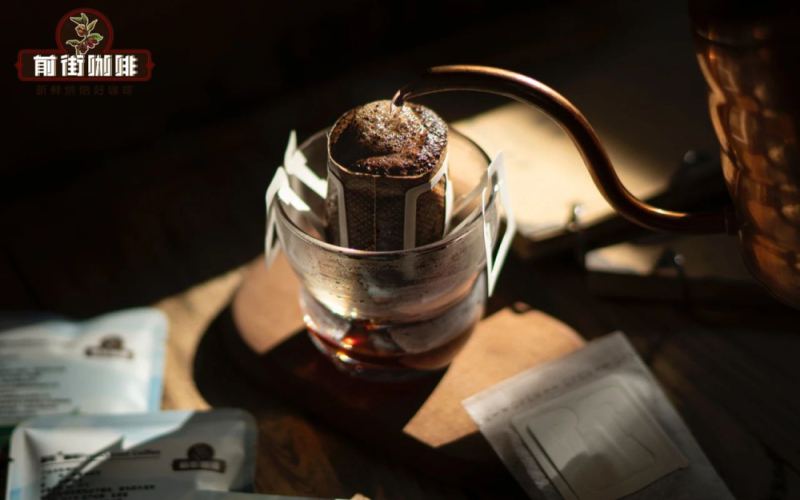
Drip bag coffee may seem simple, but to brew an ideal cup, three details are indispensable: the pouring method, the coffee-to-water ratio, and the water temperature. In this article, a barista from Front Street Coffee shares practical brewing tips, breaking down everything from bean selection to specific steps. Whether you prefer floral notes, fruity acidity, or a rich, full-bodied taste, you'll find a drip bag coffee recommendation that suits you. The article also explains in detail how to keep a steady stream of water using a gooseneck kettle, precisely control the ratio with a graduated cup, and maintain the water temperature between 85 and 95 degrees Celsius to avoid off-flavors and a gritty mouthfeel. Master these key points, and your everyday drip bag coffee can easily be elevated to the next level. [more…]
The Complete Guide to Making Cold Brew Coffee: Detailed Steps from Bean Selection to Refrigerated Fermentation and Front Street Flavor Recommendations
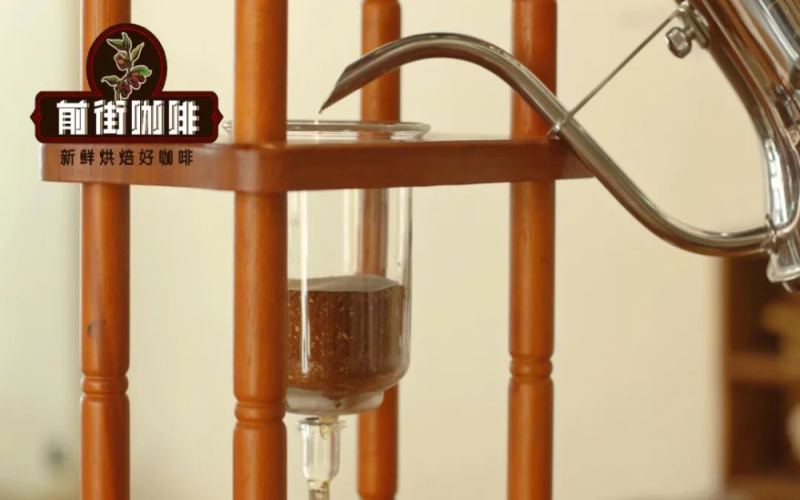
Cold brew coffee, with its refreshing taste and rich layers of flavor, has become a favorite among many coffee lovers. To make a delicious cold brew, every step is crucial, from choosing the coffee beans to controlling the drip rate. This article starts with the principles of bean selection and, combined with recommendations for several Front Street Coffee beans, explains in detail the process of making cold brew coffee, including the ratio of coffee grounds to water to ice, techniques for using filter paper, drip rate control, and the refrigeration and fermentation time required. Whether you are a beginner just getting into cold brew or an advanced brewer looking to improve your output quality, you will find practical guidance in this guide. [more…]
How to Choose the Roast Level for Cold Brew Coffee Beans? A Full Guide to Grind Ratio, Extraction Time, and Simplified Home Methods
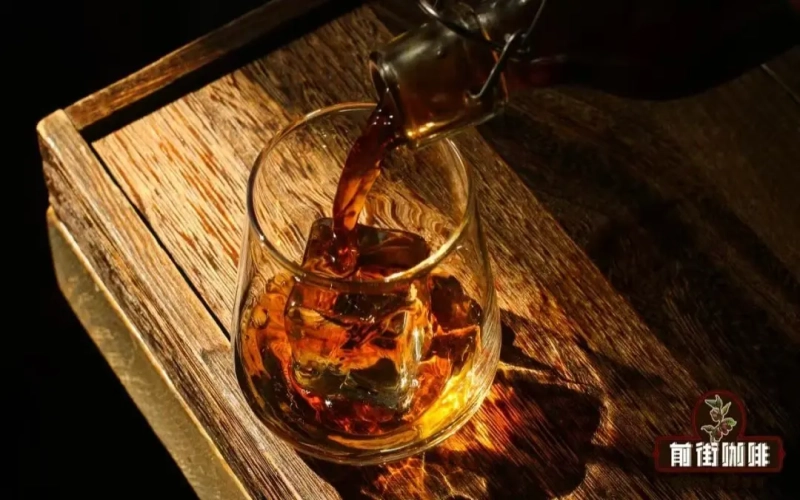
Although cold brew coffee is not common in everyday home brewing, its clean taste and rich fermented aroma have made it unforgettable to many coffee lovers. Making cold brew coffee requires a dedicated cold brew pot and takes a long time, which is also why it remains relatively niche. However, the core of a cold brew pot is actually just the flow restriction valve—as long as you can control the dripping speed of the ice water, you can make cold brew coffee at home even with an ordinary dripper. This article will cover the choice of roast level for cold brew coffee beans, grinding and coffee-to-water ratio, extraction time, and a simplified method that does not require a professional cold brew pot. It also includes Front Street Coffee's bean list recommendations and practical parameters for friends who want to try cold brew at home. [more…]
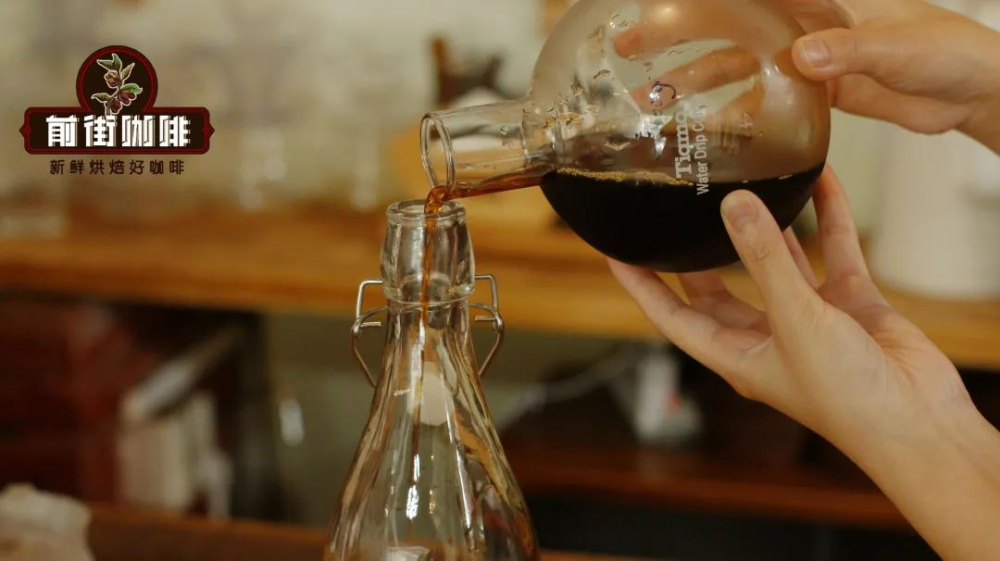
Detailed Guide to Cold Brew Coffee with Illustrations | What Is the Coffee-to-Water Ratio for Cold Brew? How Long Is the Cold Brew Extraction Time? Can You Drink Cold Brew Immediately After Making It?
For more specialty coffee knowledge, please follow the WeChat public account: Front Street Coffee (FrontStreet Coffee). For coffee partners, whether it's pour-over coffee, espresso, or cold brew coffee, the coffee fun they bring is different, but all are interesting. Entering the scorching [more…]
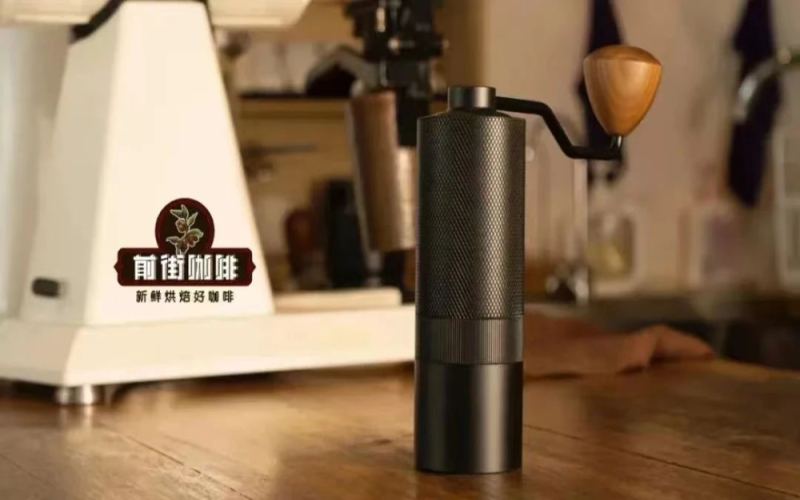
Coffee Types | Do coffee connoisseurs drink pour-over coffee or drip bag coffee? What are the differences between drip bag coffee packs and pour-over black coffee?
For more specialty coffee knowledge, please follow: Front Street Coffee (Frontsteet Coffee). Do people who drink pour-over coffee not drink drip bag coffee? Do people who drink drip bag coffee not understand pour-over coffee? If you think so, you are greatly mistaken. In fact, there is no essential difference between pour-over coffee and drip bag coffee. At Front Street, there are [more…]